Wood, Wire, and Intention: How Scott Tennant's Gear Choices Tell the Story of His Sound
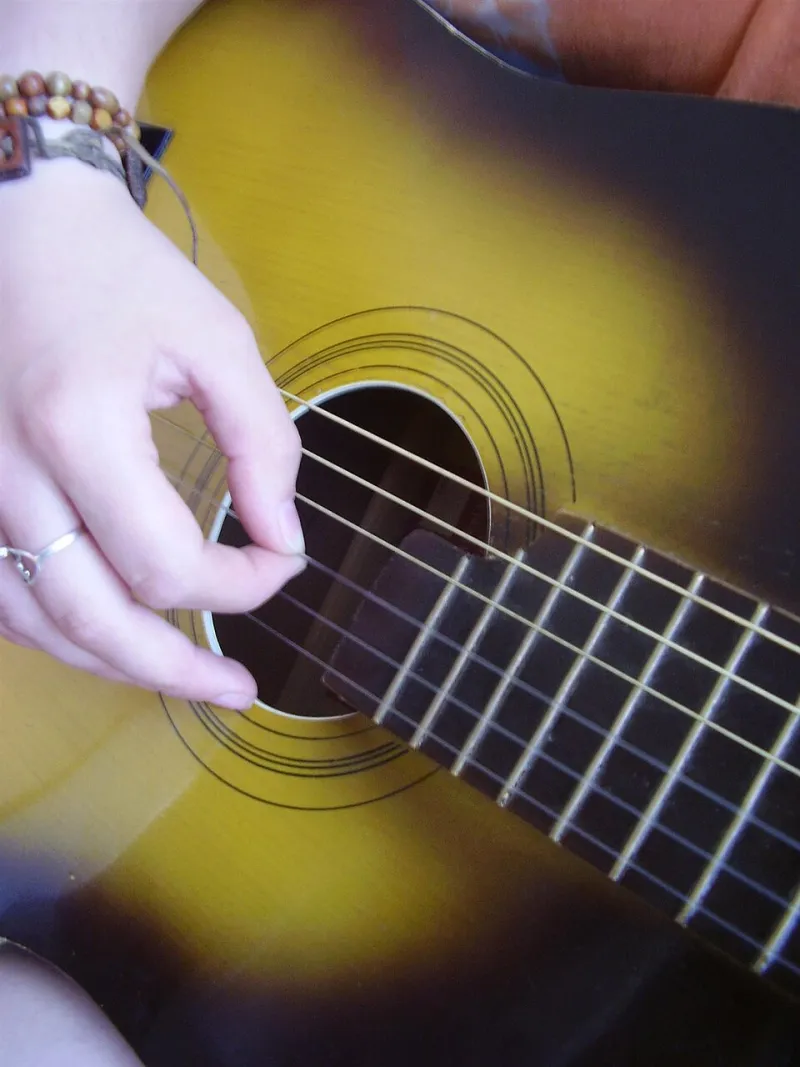
Photo: Honza Groh, CC BY 3.0, via Wikimedia Commons
There's a temptation in the guitar world to treat equipment like a shortcut. Buy the right gear, the thinking goes, and the sound will follow. Scott Tennant has never operated that way. For him, every instrument he's picked up has been less about chasing a tone and more about finding a physical conversation partner — something that pushes back, responds, and ultimately shapes the music coming out the other end.
That philosophy is worth unpacking, because it runs counter to a lot of how gear gets discussed in music circles today. Tennant's approach is a reminder that the relationship between player and instrument is genuinely reciprocal. The guitar doesn't just serve the musician. It talks back.
The Classical Guitar as a Philosophical Object
For Scott Tennant, the classical guitar isn't just a tool — it's a commitment. Unlike electric players who can layer effects and processing to sculpt sound after the fact, a classical guitarist lives and dies by the acoustic voice of the instrument itself. Every tonal nuance, every dynamic shift, every color change comes from the fingers, the nails, and the wood beneath them.
Tennant has been associated with instruments built by some of the most respected luthiers in North America and Europe. His choices have consistently leaned toward guitars with responsive trebles and a balanced, singing midrange — instruments that reward subtlety rather than brute force. That's not an accident. It reflects a playing philosophy rooted in nuance and communication rather than volume or flash.
When he picks up a guitar, he's listening for how it responds to a whisper before he ever asks it to shout. That's the test. And the instruments that have made it into his regular rotation are the ones that passed.
Why Luthier Relationships Matter More Than Brand Names
One thing that separates serious classical guitarists from the broader instrument-buying public is the emphasis on the maker over the manufacturer. Scott Tennant has cultivated relationships with individual luthiers — craftspeople who build instruments one at a time, by hand, with specific players in mind.
This matters enormously. A guitar built with Tennant's playing style in mind — his attack angle, his nail shape, his preference for a particular string height — is going to respond differently than even a high-quality factory instrument. It becomes, in a very real sense, a custom voice.
For emerging players watching from the outside, this might feel like a luxury reserved for established artists. But the underlying lesson is accessible at any level: know what you're looking for before you go shopping. Understand your own tendencies. Are you a player who leans into the bass? Do you favor a bright, projecting treble? Do you play with a lot of dynamic range or keep things relatively even? The answers to those questions should drive your gear decisions far more than reviews, YouTube demos, or what your favorite player happens to be holding in a promo photo.
Strings, Nails, and the Details That Define a Tone
Gear conversations in the classical world extend well beyond the guitar body itself. Strings are a massive part of the equation, and Tennant has been thoughtful about his choices here too. The tension, material, and brand of strings dramatically affect how an instrument projects, how it sustains, and how it responds to right-hand technique.
Then there are the nails — a topic that gets surprisingly technical among serious classical players. The shape, length, and surface finish of a guitarist's right-hand nails function almost like a pick substitute, and subtle differences in nail geometry produce audible tonal shifts. Tennant has written and spoken extensively about nail care and maintenance, and it's a subject he approaches with the same rigor he brings to repertoire study.
None of this is precious or overly fussy. It's about understanding the full chain of physical elements that stand between an artistic intention and the sound that reaches the audience. Every link in that chain matters.
What Gear Philosophy Looks Like in Practice
Here's the practical takeaway for any musician thinking about their own setup: stop asking "what does [artist X] use?" and start asking "what does my playing actually need?"
Scott Tennant's gear choices work for Scott Tennant because they've been calibrated to his specific technique, his musical priorities, and the repertoire he performs. Copying those choices wholesale wouldn't produce the same result — it would just produce an approximation of a setup designed for someone else's hands.
The more useful exercise is to sit down with your current instrument and ask honest questions. Where does it fall short? Is the bass muddy? Does the treble feel thin? Are you fighting the action instead of playing freely? Those friction points are data. They tell you what to look for next.
The Deeper Point About Artistic Identity
Ultimately, what makes Scott Tennant's relationship with his instruments interesting isn't any specific guitar or string brand. It's the intentionality behind every choice. He's never been someone who grabs whatever's available and makes do. He's always been someone who thinks carefully about the physical tools of his craft and treats those choices as extensions of his artistic identity.
That's a mindset worth borrowing regardless of what instrument you play or what genre you work in. The gear doesn't make the artist. But the right gear, chosen thoughtfully, can get out of the way and let the artist be heard.
And sometimes, it even says something on its own.