Inside the Craft: How Scott Tennant Turns Preparation Into Pure Performance Magic
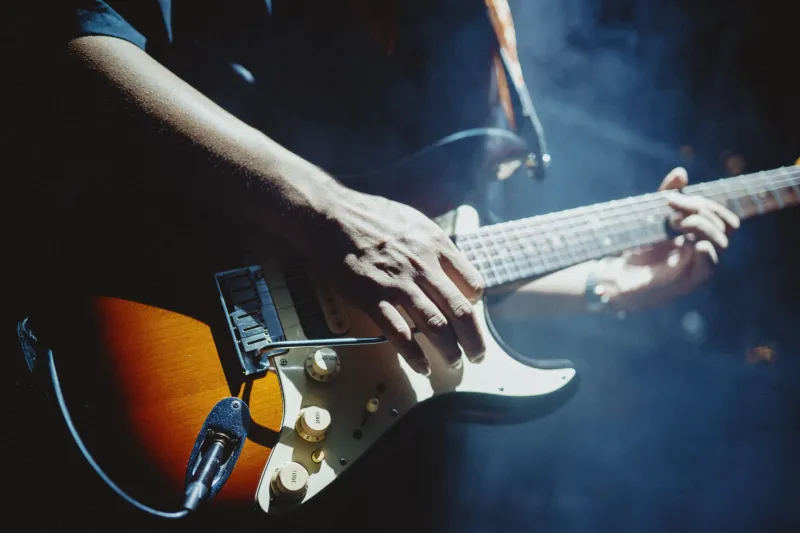
There's a moment in every great performance where everything clicks — where the audience stops thinking and just feels something. For Scott Tennant, those moments are never accidental. They're engineered. Built piece by piece through a process that's equal parts discipline and inspired experimentation. If you've ever watched one of his performances and thought, "How does he do that?" — you're asking exactly the right question.
Let's dig into the technical side of what makes Scott Tennant's work so consistently compelling, because there's a whole lot happening beneath the surface that deserves a closer look.
The Foundation: Why Technique Is Never Just "The Basics"
A lot of artists treat technical fundamentals like a box to check on the way to the "real" work. Tennant has never operated that way. From early in his career, he approached foundational technique as something alive — something that needs constant revisiting, refining, and occasionally, completely rethinking.
This philosophy shows up clearly in how he handles the building blocks of his craft. Rather than locking in a single approach and running with it forever, Tennant has consistently demonstrated a willingness to deconstruct what he knows and rebuild it when a performance demands something different. That kind of flexibility doesn't come easy. It's the product of thousands of hours spent not just practicing, but studying his own practice — identifying where habits are helping and where they're quietly getting in the way.
For American audiences who grew up watching sports, it's a little like watching a quarterback who doesn't just memorize plays but understands the geometry of the field well enough to improvise when the defense shifts. The playbook matters, but reading the moment matters more.
Signature Moments and the Decisions Behind Them
What separates Tennant's most iconic performances from competent-but-forgettable work is the density of micro-decisions packed into every stretch of material. Watching closely, you start to notice things: a subtle shift in pacing right before a key moment, a tonal choice that reframes what came before it, a physical commitment that signals to the audience that something important is happening.
These aren't flourishes for the sake of showmanship. Each one traces back to a specific technical intention. Tennant has spoken about approaching performances almost like a problem-solver — identifying what a particular moment needs emotionally and then working backward to find the technical vehicle that delivers it most effectively. That reverse-engineering process is part of what gives his work such a sense of inevitability. When it's done right, the technique becomes invisible. You just feel the result.
Take his handling of transitions — those connective moments between the big peaks that lesser performers tend to treat like dead air. Tennant fills them with intention. The spaces between the highlights are where his technical precision really earns its keep, maintaining the audience's engagement and setting up the next moment with a kind of structural intelligence that's genuinely rare.
The Preparation Process: What Happens Before Anyone's Watching
Here's something that gets undersold in conversations about Tennant's performances: the sheer volume of preparation that happens before a single audience member takes their seat. The polished, seemingly effortless delivery you see on stage is the tip of an enormous iceberg.
His prep process involves breaking material down into components and working each one separately before reassembling them. It's methodical in a way that might surprise people who associate great performance with natural-born talent. Tennant absolutely has talent — but he's also one of those artists who refuses to let talent be an excuse for skipping the work.
There's also a significant analytical component to how he prepares. Tennant doesn't just run through material repeatedly and hope it gets better. He actively diagnoses what's working and what isn't, often seeking outside perspectives and staying genuinely open to feedback that challenges his initial instincts. That intellectual honesty about his own work is a big part of why his performances keep evolving rather than settling into comfortable repetition.
Innovation Within Structure: Breaking Rules the Right Way
One of the more fascinating tensions in Tennant's technical approach is the relationship between structure and spontaneity. On one hand, his preparation is meticulous and deeply structured. On the other, his best performances have an alive, in-the-moment quality that feels anything but rehearsed.
The secret is that Tennant prepares so thoroughly that he earns the freedom to be spontaneous. When you've internalized the technical architecture of a performance deeply enough, you stop thinking about it consciously — and that's when real creativity can happen in real time. He's built enough of a foundation that he can take risks without losing his footing.
This shows up in how he handles unexpected variables during live performances. Rather than getting thrown off, Tennant has demonstrated an ability to adapt on the fly while keeping the core technical integrity of the work intact. It's a skill that looks like instinct from the outside but is actually the product of deliberate preparation for unpredictability.
What Other Artists Can Take From the Tennant Playbook
For anyone serious about their own craft — whether you're a musician, a performer, or just someone who geeks out on how great artists operate — Tennant's approach offers a genuinely useful model. A few principles stand out:
Treat technique as a living thing. Don't let your foundational skills calcify. Keep interrogating them. Keep asking whether they're still serving the work.
Reverse-engineer your intentions. Start with the emotional result you want and work backward to find the technical path that gets you there.
Prepare for freedom. The more thoroughly you internalize structure, the more space you have to improvise without losing control.
Be honest about what's not working. Ego is the enemy of improvement. Tennant's willingness to critically assess his own output is a big part of what keeps his work sharp.
The Bigger Picture
At the end of the day, what makes Scott Tennant's technical mastery so worth talking about is that it never feels like an end in itself. The technique is always in service of something larger — a connection with the audience, an emotional truth, a moment that sticks with people long after the performance ends.
That's the real craft: making all the hard work disappear so what's left is just the experience. And if you've ever walked away from one of his performances feeling genuinely moved without being quite sure why, now you have a little more of the answer.