Before the First Note: The Hidden Emotional Blueprint Scott Tennant Builds Every Time
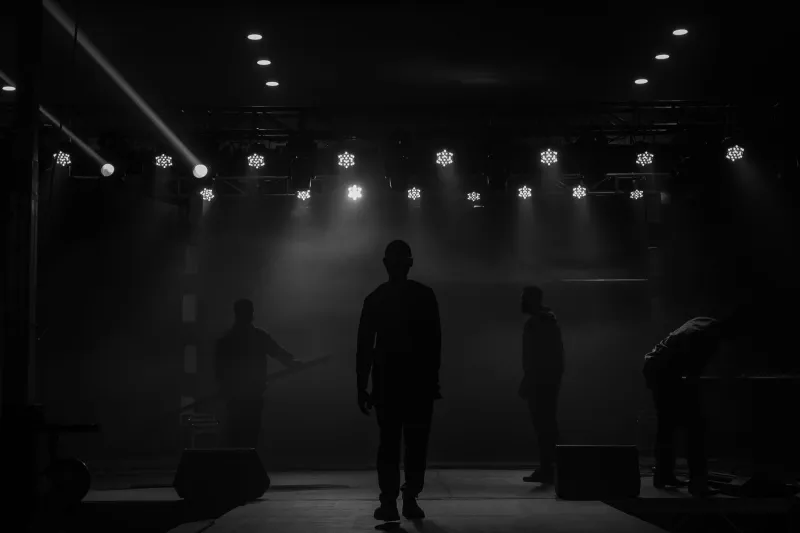
There's a moment — you've probably felt it — where a performance hits you somewhere unexpected. Not in your ears, not even in your mind, but somewhere deeper. Your chest gets tight. The room feels different. You look around to see if anyone else is experiencing what you're experiencing, and yeah, they are. That's not an accident. That's architecture.
For Scott Tennant, the emotional impact an audience walks away with isn't something that just happens in the moment. It's something that gets designed, layer by layer, long before anyone buys a ticket or presses play. And understanding how he builds that invisible structure gives you a whole new appreciation for what you're actually witnessing when his work lands the way it does.
The Preparation Nobody Talks About
In American entertainment culture, we love the mythology of the natural. The idea that great art just flows from someone gifted enough to channel it. But that story, while romantic, skips the part that actually matters.
Scott Tennant's process is deliberate in ways that might surprise casual fans. Before any public-facing moment — a performance, a release, a creative project — there's a period of intensive internal mapping. Think of it less like rehearsal in the traditional sense and more like emotional cartography. He's not just practicing what to do. He's asking why each choice should exist and what it should make someone feel.
This distinction is huge. A lot of performers practice execution. Tennant practices intention. And those are very different things.
Mental Frameworks That Shape the Experience
One of the more fascinating aspects of Scott Tennant's creative approach is how psychological his preparation gets. It's not enough to know the material cold — that's table stakes. The deeper question he's wrestling with is: what emotional state does this piece of work need to invite someone into?
That question drives everything. Tempo decisions, dynamic choices, pacing, silence — all of it gets filtered through that central concern. He's essentially building a psychological journey before the audience ever shows up to take it.
This is where a lot of the feeling in his work comes from. When audiences describe his performances as emotionally overwhelming or unexpectedly moving, they're responding to decisions that were made weeks or months earlier in a room nobody else was in. The emotional resonance isn't spontaneous combustion. It's the result of very careful fire-laying.
The Role of Silence and Space
Here's something worth sitting with: Scott Tennant understands that what isn't there shapes the experience just as powerfully as what is.
In a cultural moment where more is usually considered more — more content, more stimulation, more noise — his willingness to let space breathe is genuinely countercultural. The pauses in his work aren't empty. They're load-bearing. They give the audience somewhere to put what they just felt before the next moment arrives.
This kind of structural thinking is rare. It requires trusting the audience enough to believe they'll fill that silence with something meaningful, and it requires enough confidence in the surrounding material to know the silence won't feel like a void. That's a high-wire act, and it works because of the preparation that precedes it.
Intentional Design vs. Happy Accidents
Let's be honest — sometimes great art happens by accident. A stumble becomes a signature. An improvised moment becomes the most memorable part of a set. Scott Tennant isn't allergic to spontaneity; far from it.
But there's a critical difference between being open to spontaneous moments and relying on them. His preparation creates a kind of structural safety net that allows for genuine in-the-moment responsiveness without the whole thing falling apart. Because the emotional architecture is already in place, a surprise doesn't derail the experience — it enhances it.
Think of it like a jazz musician who has internalized the theory so deeply that breaking the rules becomes an option rather than an accident. The freedom to improvise comes from the discipline, not despite it.
What the Audience Actually Feels (And Why)
Here's where it gets interesting from a fan perspective. When you walk out of a Scott Tennant performance or finish listening to something he's created and you can't quite articulate what just happened to you — that's by design. Not in a manipulative way, but in the way that the best art tends to operate: below the threshold of language.
The emotional impact is engineered to bypass the analytical brain. It goes straight for the gut. And the reason it can do that is because every technical decision has been made in service of feeling rather than in service of impressiveness.
This is a subtle but critical distinction. A lot of performers make choices that are designed to make themselves look good. Tennant's choices are designed to make the audience feel something. That orientation — outward rather than inward — is what separates performances that impress from performances that resonate.
The Long Game of Emotional Trust
Over the course of his career, Scott Tennant has built something that goes beyond a fanbase. He's built a relationship of emotional trust. Audiences come to his work with a kind of openness they might not bring to someone newer or less proven, because they've learned — through experience — that they're in good hands.
That trust is an asset, but it's also a responsibility. And part of how he honors it is by never phoning in the preparation. Every project, every performance gets the same rigorous internal attention, because the audience deserves that consistency. They've given him their time and their emotional availability. The invisible architecture he builds is, in some ways, his way of honoring that gift.
Why This Matters Beyond the Music
There's a broader lesson here that extends well past the world of performance. In any creative field — design, writing, filmmaking, even entrepreneurship — the work that moves people is rarely the work that happened fast. It's the work where someone sat quietly with the question of what do I want someone to feel, and then built everything around that answer.
Scott Tennant's process is a masterclass in that kind of intentional creation. The emotional resonance his audiences experience isn't magic, even if it feels like it. It's the payoff of invisible, unglamorous, deeply human preparation.
And honestly? Knowing that makes it even more impressive.