Passing It Forward: The Way Scott Tennant Shapes the Musicians Who Come After Him
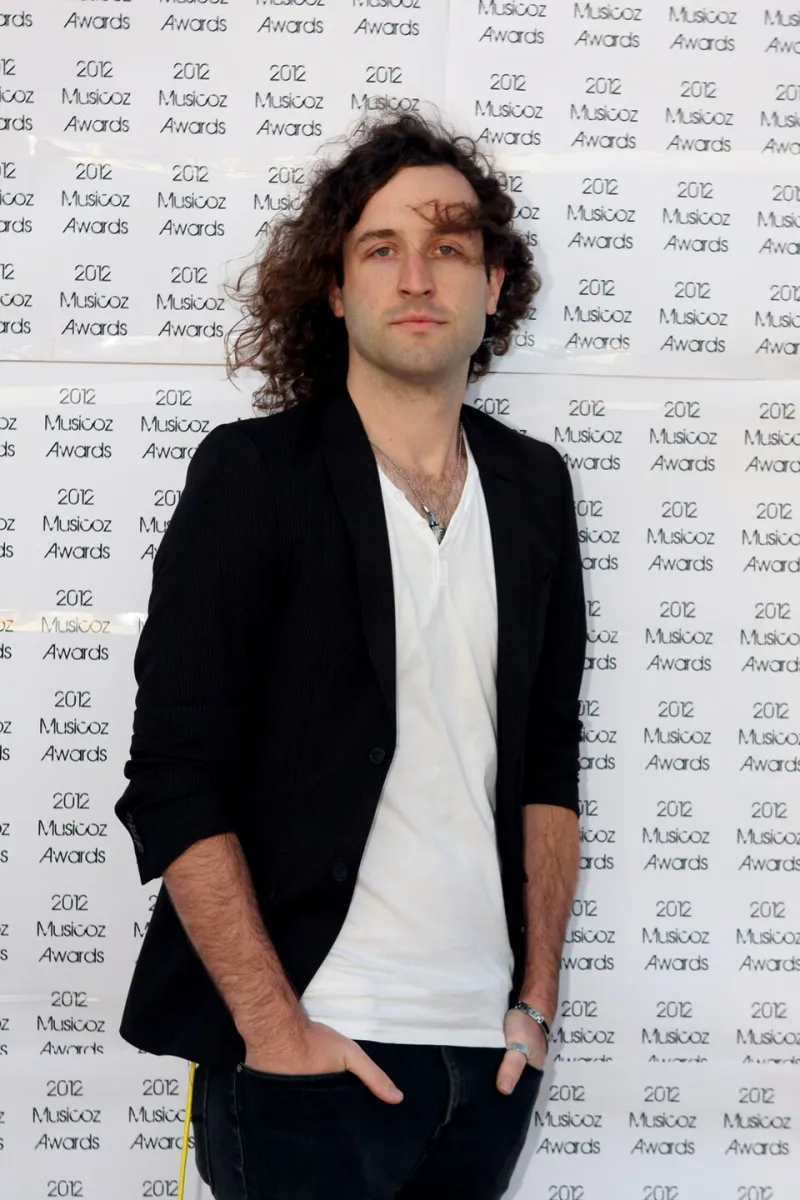
Photo: Eva Rinaldi, CC BY-SA 2.0, via Wikimedia Commons
There's a version of success that stops at the individual. You master your craft, you build your reputation, you collect your accolades — and that's where it ends. Scott Tennant has never operated that way. For him, the work doesn't feel complete unless someone else is growing because of it. That instinct to invest in the next wave of musicians isn't an afterthought to his career. It's a defining thread running straight through it.
What makes Tennant's approach to mentorship genuinely interesting isn't just that he teaches — plenty of accomplished artists do. It's how he teaches, and more importantly, why.
Not a Formula, a Conversation
One of the first things you notice when you study Tennant's mentorship style is that he doesn't hand students a rulebook and send them on their way. There's no rigid system, no one-size-fits-all curriculum that every aspiring guitarist is expected to absorb and replicate. Instead, Tennant approaches each student as a distinct creative personality with their own instincts, their own gaps, and their own potential trajectory.
That might sound obvious, but in a music education landscape that still leans heavily on standardized methods and structured conservatory programs, it's actually a pretty radical stance. Tennant seems genuinely curious about what a student is already bringing to the table before he starts layering on new information. He listens first. That quality — real listening, not just waiting for your turn to demonstrate — is rarer than it should be among high-level instructors.
The result is a mentorship dynamic that feels more like a dialogue than a lecture. Students aren't passive recipients of expertise. They're active participants in figuring out what kind of artist they want to become. Tennant helps them ask better questions about their own playing rather than simply supplying answers.
Technique in Service of Expression
Tennant's teaching philosophy is deeply tied to his performing philosophy. If you've spent any time with his work, you already know he's not the kind of guitarist who treats technical precision as the finish line. Technique, in his world, is infrastructure — it has to be solid, but it only matters insofar as it supports genuine expression.
That belief shows up clearly in how he mentors. He'll push students hard on the mechanical fundamentals — hand positioning, tone production, dynamic control — but always with a larger purpose in view. The conversation never stays purely technical for long. It loops back around to feel, to intent, to what the music is actually trying to say. Students who come in fixated on speed or complexity often leave with a more nuanced understanding of what virtuosity actually means.
This is a meaningful correction to a common trap in guitar culture, especially in the US, where shred and technical flash still carry enormous cultural weight. Tennant essentially reframes the question. Instead of "how fast can you play this?" the mentorship asks, "what do you want this to sound like, and what's standing between you and that sound?" That's a much more productive starting point.
The Long View on Influence
One of the quieter but more powerful aspects of Tennant's mentorship is his patience with timelines. He's not trying to fast-track anyone into a marketable version of themselves. He seems to understand — probably from his own experience — that artistic development doesn't happen on a schedule that makes sense to anyone outside the artist.
That long-view approach builds a particular kind of trust. Students and collaborators who've worked closely with Tennant often describe a relationship that doesn't feel transactional. He's not mentoring people to build a legacy or create disciples who reflect his own aesthetic back at him. He's mentoring them to become more fully themselves — which, paradoxically, is how genuine artistic lineages actually form.
The musicians who've grown under his influence tend to carry something of his sensibility without sounding like carbon copies. There's a commitment to emotional honesty in their playing, a willingness to let silence do some of the work, a resistance to the kind of empty flash that impresses at first listen and bores on the second. Those qualities don't come from mimicry. They come from spending time around someone who embodies them consistently.
What Aspiring Artists Can Take From This
If you're an emerging musician looking at Tennant's mentorship model for takeaways, a few things stand out pretty quickly.
First: seek mentors who are genuinely curious about you, not just eager to transmit their own methods. The best mentorship relationships are ones where the mentor is actually learning something too — about how a different mind approaches problems, about what the next generation is grappling with, about what their own assumptions look like from the outside.
Second: don't separate technique from expression in your practice. If you're drilling scales and exercises without connecting them to the music you actually want to make, you're building infrastructure without a building. Tennant's approach is a useful reminder that the two things have to stay linked.
Third: trust the slow process. The musicians who burn brightest early and fade fast are often the ones who optimized for short-term results. The ones who build something lasting — the ones who end up having something worth passing on — are usually the ones who were willing to stay in the uncomfortable middle of their development for as long as it took.
Why It Matters Beyond the Individual
Scott Tennant's investment in emerging artists matters beyond any single student's growth. It's part of how a musical tradition stays alive and relevant. Techniques, sensibilities, values — these things don't preserve themselves. They survive because someone who embodies them cares enough to share them, generously and without ego.
In that sense, every student Tennant has genuinely shaped represents a kind of continuity. Not a copy of what he built, but a living extension of it — something that will evolve in directions he couldn't predict and probably wouldn't want to control.
That's the real measure of a mentorship model worth studying. Not how many students can replicate the teacher's work, but how many can eventually surpass it.